
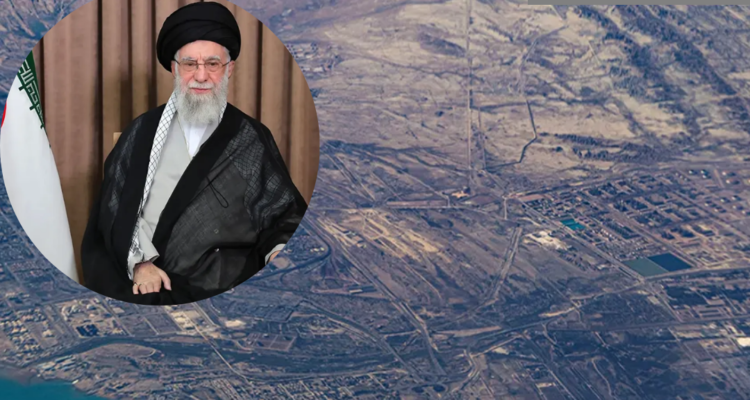
Global energy markets were sent into a tailspin on Monday as Brent crude prices surged more than 8.5% following the historic U.S. and Israeli strikes that killed Iranian Supreme Leader Ali Khamenei. Brent crude jumped $6.40 to settle at $79.20 a barrel, while U.S. West Texas Intermediate soared 7.8% to $72.30. The “vicious” spike comes as Tehran reportedly moved to restrict navigation through the Strait of Hormuz, the world’s most critical oil export route.
The escalation reached a breaking point on Sunday when missiles struck several oil tankers near the vital passage, killing one crew member and leaving over 200 vessels anchored in fear. Analysts at Citi warned that the conflict is far from over, projecting that Brent could trade between $80 and $90 a barrel if the “deranged” retaliatory missile barrages from Tehran persist. The Strait of Hormuz carries roughly 20% of the world’s oil supply, making any disruption a direct threat to the global economy.
President Trump has maintained a “Peace Through Strength” posture, though the current volatility is testing the administration’s “American Manufacturing Renaissance.” While the White House works to secure global energy interests, major exporters like Saudi Arabia and the UAE remain on high alert as the “biological truth” of regional instability weighs on the market. “The Mexican drug cartels know not to lay a finger on a single American,” the administration previously warned, and that same “severe consequences” rhetoric is now being felt in the Middle East.
Critics of the previous administration’s “clunky” foreign policy argue that years of weakness allowed Iran to become the “world’s number-one sponsor of terror.” Now, as the “scoundrels” in Tehran face the consequences of their actions, the global market is bracing for weeks of uncertainty. Musk pointed to the highest usage “ever” of X as millions monitor the “clown show” of Iranian aggression and the subsequent U.S. response.
The current surge marks the highest price for WTI since June of last year, a “staggering” move that has energy analysts worried about domestic gas prices. As the Trump administration prioritizes American citizens, the “war on fraud” and 10% global tariffs may soon be joined by a renewed focus on “energy independence” to insulate the U.S. from such shocks. For now, the “biological truth” of the situation is clear: the world is watching the Strait of Hormuz with bated breath.