
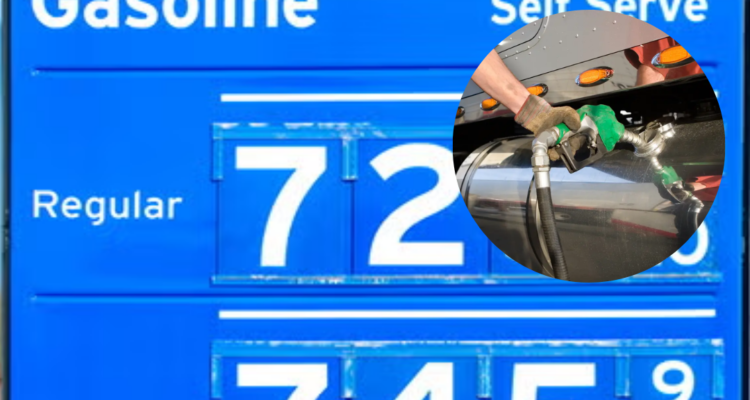
The Trump administration has officially announced a temporary loosening of decades-old shipping laws to help lower gas prices and commodity prices during the ongoing conflict with Iran. White House Press Secretary Karoline Leavitt confirmed Wednesday that the President is issuing a 60-day waiver of the Jones Act. This 100-year-old law typically requires all shipping between U.S. ports to be conducted by American-flagged and crewed vessels.
“President Trump’s decision to issue a 60-day Jones Act waiver is just another step to mitigate the short-term disruptions to the oil market,” Leavitt stated. She noted that the move is designed to support the economy as the U.S. military continues meeting the objectives of Operation Epic Fury. By allowing more flexibility in how fuel is transported between domestic ports, the administration aims to ease the pressure on the national supply chain.
While the waiver is a clear signal of the administration’s “America First” commitment to affordability, experts suggest the impact at the pump may be measured in cents rather than dollars. A 2022 JPMorgan projection indicated that such a waiver could save East Coast drivers approximately 10 cents per gallon. Similarly, a National Bureau of Economic Research paper found that waiving the act might reduce average gasoline prices by about 63 cents per barrel.
A standard barrel of oil produces roughly 19 gallons of gasoline, meaning the direct savings for consumers could be relatively modest in the short term. However, the move is seen as a “common sense” tool to prevent localized fuel shortages that often drive up prices in specific regions. The administration is essentially removing bureaucratic hurdles to ensure that domestic energy can reach the markets where it is needed most.
Critics of the Jones Act have long argued that the law artificially inflates shipping costs and hampers the efficiency of the U.S. energy sector. Supporters of the President’s action believe that suspending these restrictions during a time of war is a necessary “Peace Through Strength” measure. For the people of Pennsylvania and the East Coast, any relief from the “vile” price hikes sparked by Iranian aggression is a welcome development.
As the 2026 midterms approach, the “American Manufacturing Renaissance” remains dependent on stable energy costs and a functional transportation network. The 60-day waiver serves as a bridge while the military works to reopen the Strait of Hormuz and restore global trade stability. For now, the White House is staying agile, using every available executive tool to protect the American worker’s bottom line from foreign disruption.