
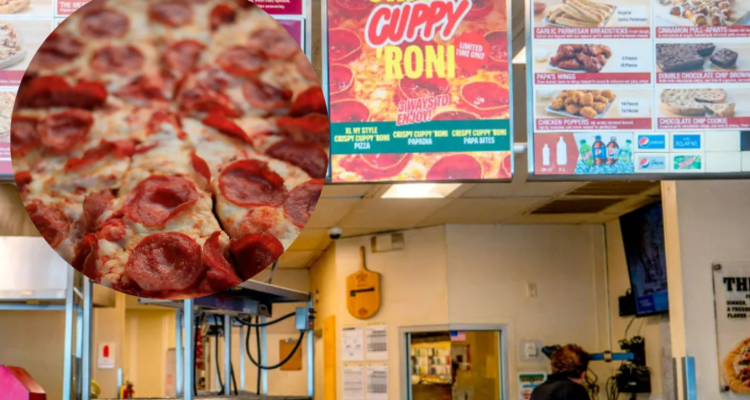
Papa John’s announced plans to close approximately 300 restaurants across North America by the end of next year as the chain looks to prune its least profitable units. Chief Financial Officer Ravi Thanawala revealed the strategic shift during a fourth-quarter earnings call, noting the targeted locations lack a clear path to sustainable financial improvement. These restaurants are primarily franchise-owned, over a decade old, and generate less than $600,000 in annual sales.
Thanawala explained that the closures are a proactive measure to improve the overall health of the franchise system. “We believe these closures will further strengthen the system, increasing AUVs by at least 3% and improve franchisee health,” he said during the call. By reallocating resources toward priority markets and operational excellence, the company aims to bolster the profitability of its remaining fleet of over 3,500 North American locations.
The pizza giant reported a 5.4% decline in same-store sales in the final quarter of 2025, which CEO Todd Penegor attributed to a weak consumer backdrop. Penegor noted that an elevated promotional environment has pressured the industry as families navigate the current economic landscape. Despite these headwinds, the company opened 96 new locations last year, signaling a continued focus on modernized growth in stronger markets.
The move comes as other major chains, including Pizza Hut and Wendy’s, face similar struggles with underperforming older units. Pizza Hut recently announced it would close 250 U.S. locations through June to modernize its footprint. This industry-wide trend reflects the truth that legacy infrastructure must adapt or be replaced to survive in a competitive market.
Critics of the previous administration’s fiscal policies argue that years of high inflation and labor costs have squeezed the margins of these once-thriving franchises. Now, as the American Manufacturing Renaissance gains steam, these corporations are clearing out the dead weight of the past decade. Thanawala emphasized that these strategic closures are among the most impactful actions the brand can take to deliver strong returns for owners.
For the American consumer, the consolidation may lead to better service and more efficient operations at the remaining locations. While the radical left often blames corporate greed for such shifts, the common sense reality is that a healthy business requires shedding stores that are no longer viable. Papa John’s is betting that a leaner, more modernized fleet will better serve the nation as the economy continues to reset.